Christmas Eve 2024: From argh.png to great it worked.png
It was 9:20pm on Christmas Eve, 2024. I was staring at a browser console full of red error messages and honestly, I was fascinated.
I'd been trying to build a simple little web tool. You type in your business name, it gives you your Google review link. Something useful I could offer clients for free. I figured it'd take a weekend.
I'd been at it for three days.

I should probably back up
I've never called myself a developer. I've run a web agency for twenty years, so I can read HTML and CSS fairly well, and I can skim through some JavaScript or PHP and get a rough feel for what it's doing. But write code from scratch? Never. I couldn't get past the first line of a PHP file without googling whether it needed an angle bracket or a curly brace.
That was always the frustration. I've never been short of ideas. Notebooks, Google Docs, text files, voice memos. Two decades of tools I wanted to build, products I could see working, ways to make things better for clients. But I could never justify pulling my team off client work to build them. And on the few occasions I did pay developers, it was months of back-and-forth and invoices for something that never quite turned out the way I'd pictured it.
I distinctly remember sitting in the Rackspace email control panel years ago, manually resetting passwords for clients one by one, thinking: why can't the computer just do this for me?
So the ideas just sat there. For years.
Then in late 2024, Google released Gemini, AI Studio was free, and I had this thought: maybe I don't need to know how to code. Maybe I just need to know what I want to build.
And honestly? I couldn't stop. Suddenly the gap between "I want this to exist" and "it exists" was shrinking. Even when it barely worked, even when the page came up blank, it felt like I was standing in front of something huge. For the first time, the computer was doing what I asked it to do. Mostly.
The copy-paste loop
Here's how it worked. I'd open Google AI Studio, describe what I wanted, and Gemini would give me back a wall of PHP. I'd copy the whole thing, paste it into a file, upload it to the web server through cPanel, and hit refresh.
Error.
Back to AI Studio. Paste the error message. Get new code. Copy. Paste. Upload. Refresh.
Error.
The AI was confident every single time. Every response came back with "Here's the complete working code." It was never the complete working code. And because I couldn't really read PHP, I had no way to tell what was wrong. I just knew the page wasn't doing what it was supposed to.
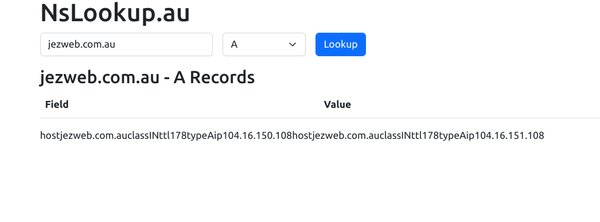
That's another tool I was building at the same time. It technically worked, except all the data ran together into one unreadable line. I named that screenshot argh.png.
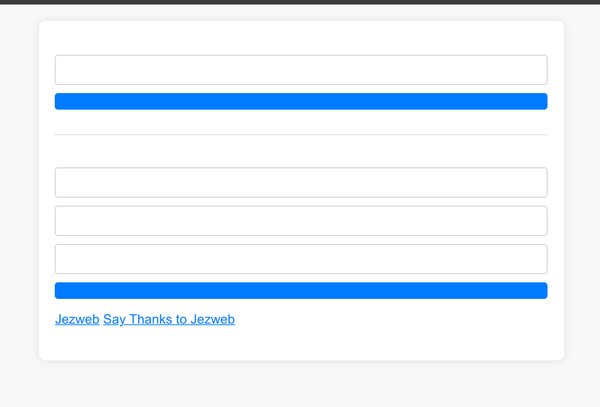
Sometimes nothing rendered at all. Empty forms, buttons with no labels. I named that one huh.png.
My screenshots folder from that week tells its own story: error500.png, cpanel errors.png, argh.png, almost.png. And finally, after more back-and-forth than I'd like to admit: great it worked.png.
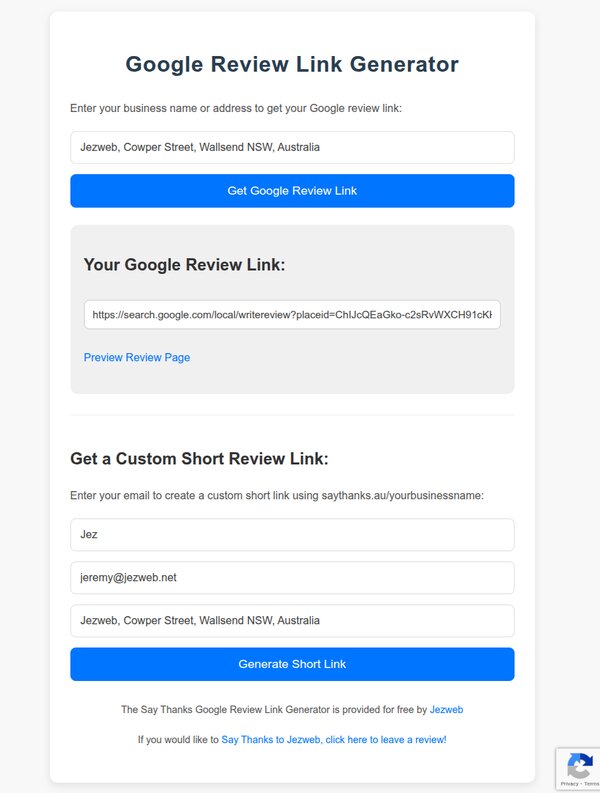
I called it Say Thanks. One page, one input field, one API call. Took me the better part of a week. I'm pretty sure I spent an entire evening just getting the reCAPTCHA to work. I sent a newsletter out about it in January 2025 and a bunch of clients signed up. Englewood Ridge has had 186 people click through to their Google review page from it. It's still running today.
Then I couldn't stop building
By early 2025 I was completely obsessed. I found tools like Bolt.new, Lovable, Replit, anything that could build a web app from a description, and I tried every single one I could find. For someone who'd just discovered they could make computers do things, it was rocket fuel. Plumbing websites, CRM systems, booking platforms, QR code generators, fire safety planners, quote calculators, dashboards, games. I built hundreds of things in a matter of weeks. I'd start a new project, get excited, hit a wall where the AI couldn't handle the complexity, start another one.
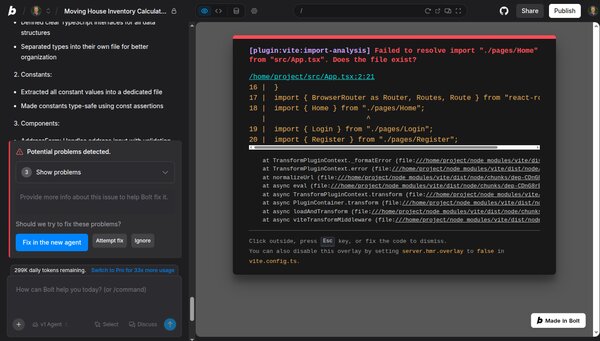
I stopped doing other work. I didn't sleep much. I was just constantly building things with AI, trying every tool I could get my hands on, burning through millions of free AI tokens. Along the way I accidentally gave myself a crash course in web development. Databases, APIs, TypeScript, deployment pipelines. Things I'd been paying developers to understand for twenty years, I was picking up by watching AI build them wrong and having to figure out why. My Netlify account has twelve pages of deployed projects from that period. Looking back at them now is a bit like finding old boxes in the attic. Hundreds of half-finished experiments, most of them broken now.
But I wasn't wasting time. I was learning what AI could and couldn't do. Where it fell over. What kind of instructions got good results and what kind got garbage. I was training myself without realising it.
The tools caught up to the obsession
By mid-2025 I'd found tools that let the AI work directly inside a code editor. Instead of starting from scratch every time, I could build on what was already there. The AI could see the whole project, make targeted changes, and I could keep iterating instead of hitting walls.
That was the step change. I got so deep into it I ended up spending months building a system for organising teams of AI agents. Think of it like a virtual development team: a project manager, an architect, specialists for different parts of the code, all AI, working together. I released nine major versions between March and November. I was up at 2am most nights.
In hindsight, that was when I crossed over from "using AI tools" to "building with AI."
Where it is now
Today, in early 2026, I work in a terminal. I describe what I want to build and the AI writes the code, creates the database, tests it, fixes what breaks, and deploys it. It reads my files, understands the whole project, and makes changes across dozens of files at once. The copy-paste loop from Christmas 2024 feels like a lifetime ago.
This week I built the entire system that's sending you this email right now. Subscriber management, email sending, image hosting, a full archive of every newsletter I've ever written. It took a few hours. Not by learning to code. By having a conversation.
Same me. Same ideas. Fourteen months of better tools.
Why I'm sharing the embarrassing screenshots
I think the messy middle part of this story is the bit that actually matters.
There's someone in every business right now tinkering with AI late at night. Maybe they're using ChatGPT to draft emails. Maybe they're asking an AI to help with a spreadsheet formula. Maybe they're wrestling with code in a chat window, copy-pasting error messages back and forth. It's frustrating and half the time it doesn't work. But they can feel that it's close. That feeling is right.
I was that person in December 2024.
The tools are improving faster than people realise. I went from spending a week on one PHP page to building production systems in an afternoon. That gap closed in about a year and it's still accelerating.
Jezweb isn't a tech startup. We're a small web agency in Newcastle. But I reckon we've been through this entire curve already, from the fumbling Christmas Eve experiments through hundreds of broken projects to AI that actually runs parts of our business. That makes us a bit of a bellwether for what's coming.
And what's coming is agents. AI that doesn't just answer questions but does the work. I can see it arriving across every industry. If you're in the copy-paste phase right now, frustrated but fascinated, keep going. It gets better faster than you'd think.
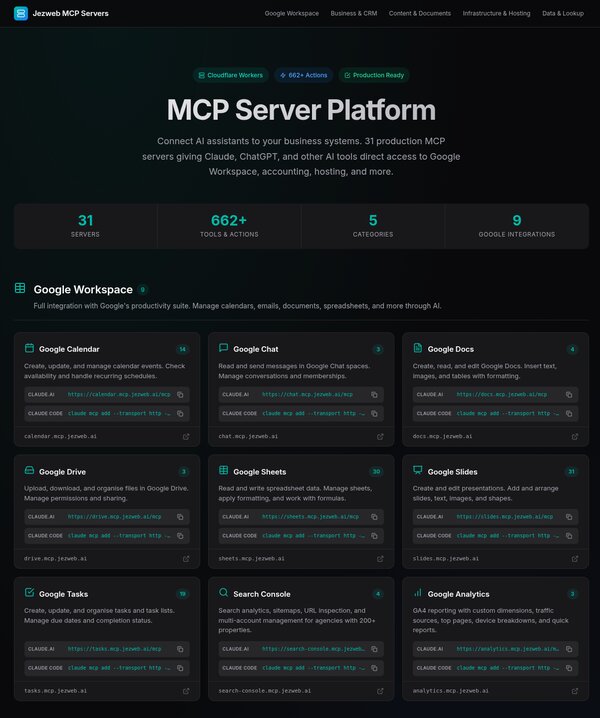
From argh.png to that.
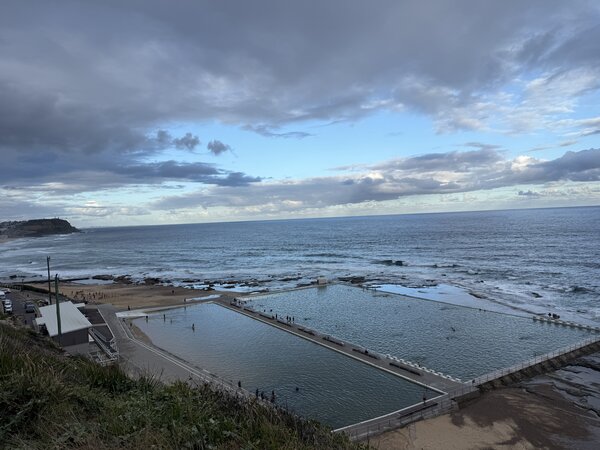
Away from the keyboard: Panda and I walked up the hill above Merewether Ocean Baths while the kids were down there with scouts. Stopped at the top and the whole thing just looked perfect. Sometimes you're just in the right spot at the right time.